


7 Surprising Pigeon Facts You Never Knew
Pigeons are everywhere—New York City sidewalks, rooftop railings, parks, plazas, and just about every urban corner in the United States. They’re so common that most people barely notice them. But behind the everyday cooing and feathered footsteps is a bird with a long, complicated, and surprisingly impressive history.
Whether you love pigeons, tolerate them, or haven’t paid much attention to them, these seven facts will give you a new appreciation for one of America’s most misunderstood birds.
1. Pigeons Are Far Smarter Than Most People Think
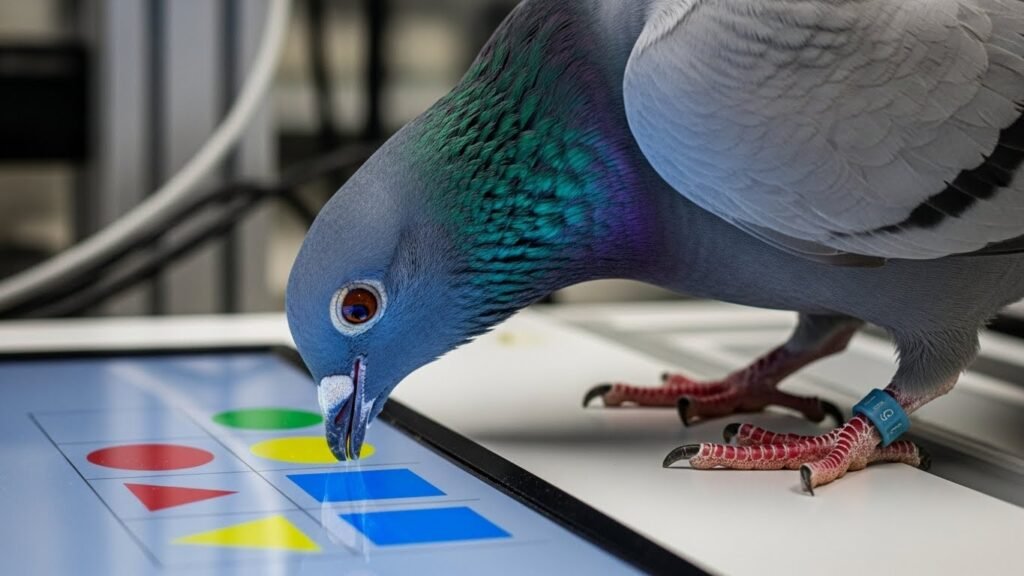
It’s easy to overlook pigeons because they’re so common, but scientifically, they’re among the most intelligent birds studied. Researchers at the University of Iowa and other major institutions have found pigeons can:
• Recognize themselves in a mirror
• Learn hundreds of visual patterns
• Distinguish between different artistic styles
• Understand sequences and simple rules
• Remember faces and locations for years
They’re so good at visual analysis that pigeons have been used in human medical research to help scientists understand how our brains recognize patterns.
2. Pigeons Aren’t Dirty—They’re Actually Very Clean Birds
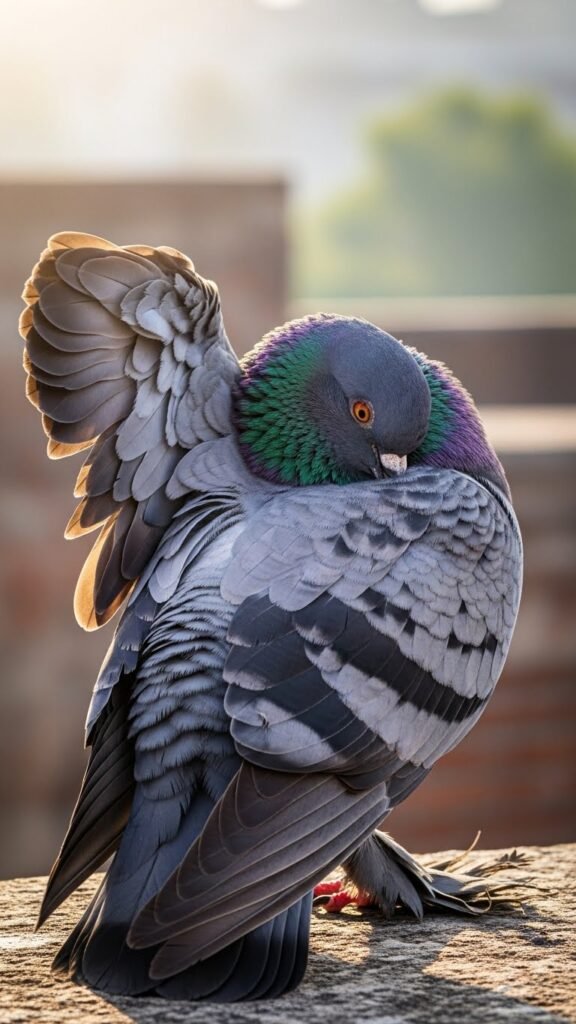
Many Americans assume pigeons are dirty simply because they live in busy cities. But pigeons are naturally clean animals. They spend hours every day preening, grooming, and fluffing their feathers to keep them waterproof and parasite-free.
Multiple urban wildlife studies show:
• Pigeons carry fewer zoonotic diseases than rats
• Their droppings pose low risk in outdoor environments
• They rarely transmit illnesses to humans
• Their feathers shed dust that’s less allergenic than larger birds like geese or ducks
In other words, pigeons are cleaner than their reputation suggests—and most “dirty pigeon” assumptions come from city conditions, not the birds themselves.
3. Pigeons Were Once the Backbone of U.S. Communication

Long before texts, emails, or even telegraphs, pigeons were the fastest and most reliable way to send messages. The United States military used homing pigeons during both World Wars because of their unmatched ability to navigate long distances.
One pigeon, Cher Ami, delivered a life-saving message during World War I after being shot through the chest and wing. Her message saved nearly 200 American soldiers.
The navigation skills of pigeons remain a scientific mystery. They use a combination of magnetic fields, sun position, smell, memory, and even low-frequency sounds—but researchers still don’t know the full secret.
4. Pigeons Are Extremely Loyal and Mate for Life
Pigeons are committed partners. Once paired, a pigeon couple generally stays together for life unless separated by injury or environmental loss. They build nests together, incubate eggs together, and feed their young with remarkable cooperation.
Pigeon pairs also share a unique biological ability: both males and females produce “pigeon milk,” a nutrient-rich crop secretion that helps their chicks grow strong and healthy.
This makes them one of the most equitable co-parenting species in the animal world.

5. City Pigeons in the U.S. Are Descendants of Domestic Birds
The pigeons you see today in American cities aren’t “wild” in the traditional sense. Their ancestors were brought to North America by European settlers as domesticated birds used for:
• Food
• Farming fertilizer
• Navigation
• Racing
• Communication
• Companionship
When some escaped or were released, they formed feral flocks in U.S. cities. So modern pigeons are essentially domesticated animals living wild—not native wildlife.
This explains why pigeons are comfortable around humans: we bred that behavior into them.
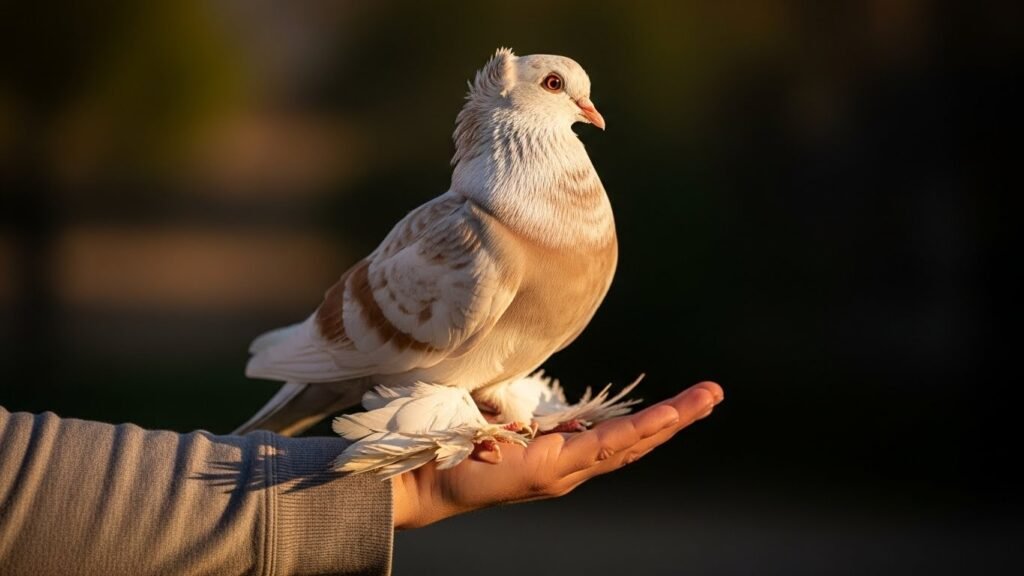
6. There Are Over 300 Beautiful Pigeon Breeds Worldwide
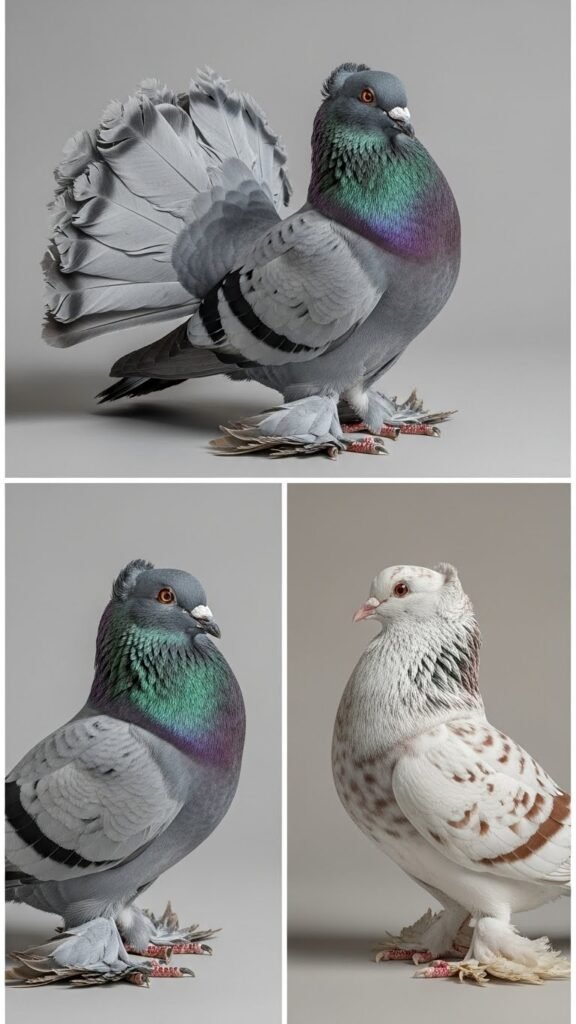
City pigeons tend to look similar, but the domesticated pigeon world is full of stunning variety. Breeders have developed hundreds of pigeon breeds over centuries, with unique:
• Colors
• Feather textures
• Sizes
• Tail shapes
• Crests
Some popular fancy breeds in the U.S. include:
• Fantails – known for their huge, fan-shaped tails
• Frillbacks – curly feathers all over their bodies
• Jacobin pigeons – Victorian-style feather hoods
• Homing pigeons – athletic racing champions
If people saw these breeds more often, they’d never call pigeons boring again.
7. Pigeons Have Emotional Depth and Strong Social Lives
Pigeons recognize individuals—both humans and other pigeons. Studies show they remember faces, form social bonds, and even express forms of emotion such as:
• Curiosity
• Affection
• Jealousy
• Pair-bond loyalty
• Play-like behavior
Long-term pigeon owners often describe the birds as gentle, friendly, and surprisingly expressive. They enjoy company, develop routines, and show excitement when trusted humans approach.
These behaviors hint at emotional complexity far beyond what most people expect from a city bird.
Final Thoughts:
Pigeons Are Far More Fascinating Than Their Reputation. For generations, pigeons have been dismissed as “just city birds,” but they’re far more interesting, intelligent, and emotionally complex than most Americans realize. Their history is intertwined with ours—from messengers to pets to war heroes.
They’re resilient, adaptable, and surprisingly sophisticated. The next time you see a pigeon strutting confidently through a park or gazing at you from a building ledge, remember: there’s more to that bird than meets the eye.
