


Noise Levels of Pet Birds: How to Manage Volume in Apartments
Birds are wonderful companions, but there’s no denying one fact: they can be noisy. From cheerful morning songs to loud squawks, their voices carry and in an apartment, neighbors may not always appreciate your feathered friend’s enthusiasm.
Not all birds are equally loud, and with the right strategies, you can manage noise levels while keeping your bird happy and enriched.
Let’s explore which birds are quietest, which are the loudest, and practical tips to manage volume in apartment living.
Bird Species: Noise Levels Compared
Different bird species have different vocal ranges. Here’s a general comparison:
Loud Species (Not Apartment-Friendly)
- Macaws → Extremely loud, calls can be heard blocks away.
- Cockatoos → Famous for piercing screams.
- Sun Conures → Bright and beautiful, but very noisy.
- Amazon Parrots → Can mimic words but also yell.
Moderate Species (Manageable with Training)
- Cockatiels → Whistles and songs, occasional loud calls.
- Quaker Parrots (Monk Parakeets) → Chatty, but not painfully loud.
- Lovebirds → Chirpy but tolerable in most apartments.
Quietest Species (Best for Apartments)
- Parrotlets → Small, curious, relatively quiet.
- Budgies (Parakeets) → Soft chatter, rarely disturbing.
- Finches & Canaries → Pleasant songs rather than screams.
- Pionus Parrots → Calm and quieter than larger parrots.
If you live in an apartment, budgies, finches, canaries, or parrotlets are your best bet.
Why Birds Make Noise
Understanding the “why” helps in managing the volume. Birds vocalize because:
- Communication → They call to flock members (that includes you!).
- Boredom or loneliness → Lack of stimulation can cause screaming.
- Attention-seeking → Birds learn that noise gets a reaction.
- Natural rhythms → Morning and evening are “prime talking hours.”
Strategies to Manage Bird Noise in Apartments
- Choose the Right Bird
If noise is a concern, start with a quieter species.
- Enrichment & Toys
A bored bird = a loud bird. Keep your bird stimulated with:
- Foraging toys
- Puzzle feeders
- Rotating perches & cage accessories
- Routine & Training
- Birds thrive on schedules. Feeding, play, and sleep at set times reduce screaming.
- Reward quiet moments → use treats to reinforce calm behavior.
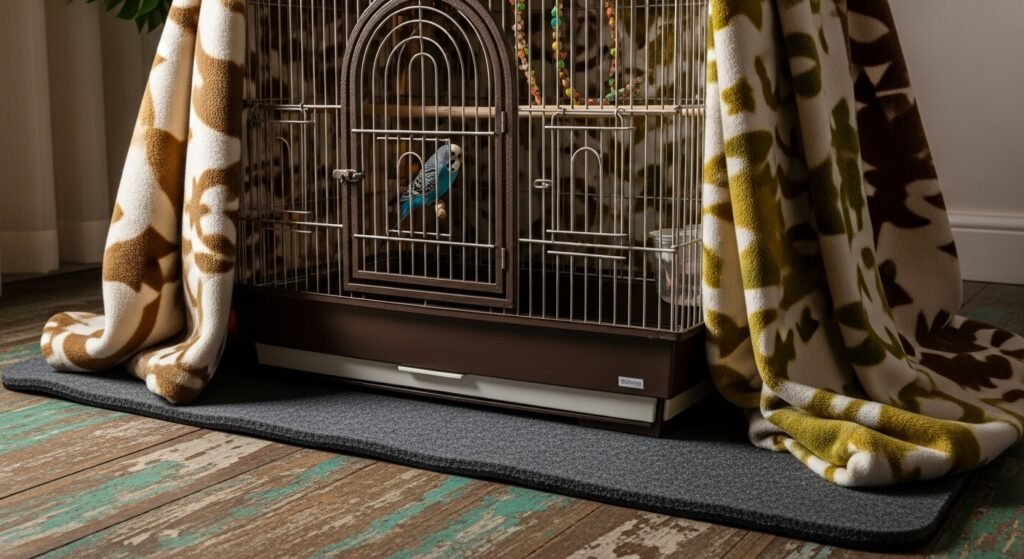
- Cover the Cage for Sleep
Birds need 10–12 hours of darkness. Covering the cage signals bedtime and reduces nighttime noise.
- Soundproofing Tricks
- Place the cage away from shared walls.
- Use rugs, curtains, and soft furnishings to absorb sound.
- Soundproof mats or blankets around the cage area (leave airflow).
- Avoid Reinforcing Screaming
Don’t yell back—it teaches them that noise = attention. Instead, reward silence and calm chirps.
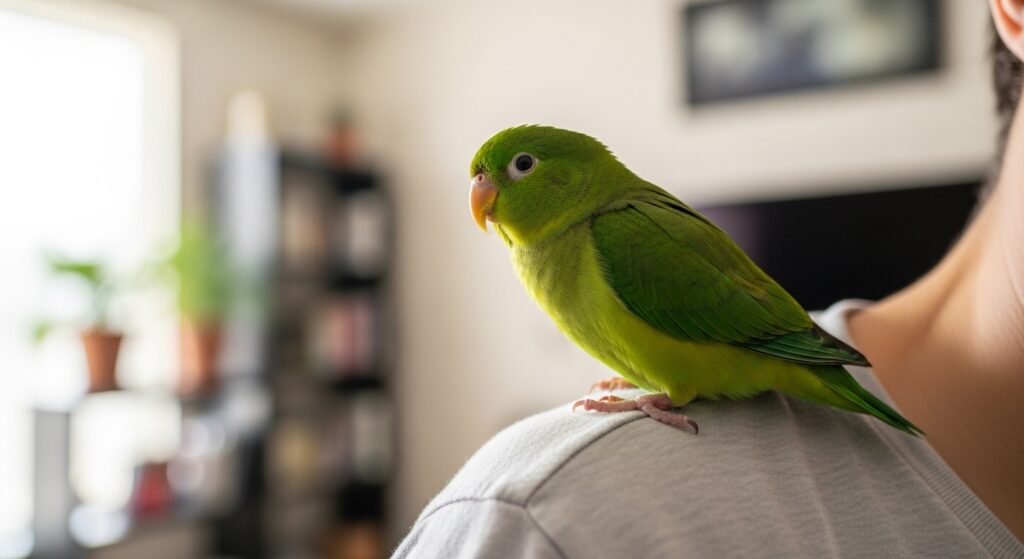
How Neighbors Perceive Bird Noise
Unlike dogs, bird noise isn’t always recognized in apartment pet policies. But loud squawks can cause disputes.
Tips to keep the peace:
- Be upfront with your landlord about having a bird.
- Choose species carefully (avoid macaws or cockatoos).
- Stick to quiet hours—avoid high playtime at 6 AM or late nights.
Common Mistakes to Avoid
- Getting a loud species for small apartments.
- Ignoring enrichment needs (leads to screaming).
- Responding to every scream.
- Placing the cage by a window—birds often “talk back” to outside noises.
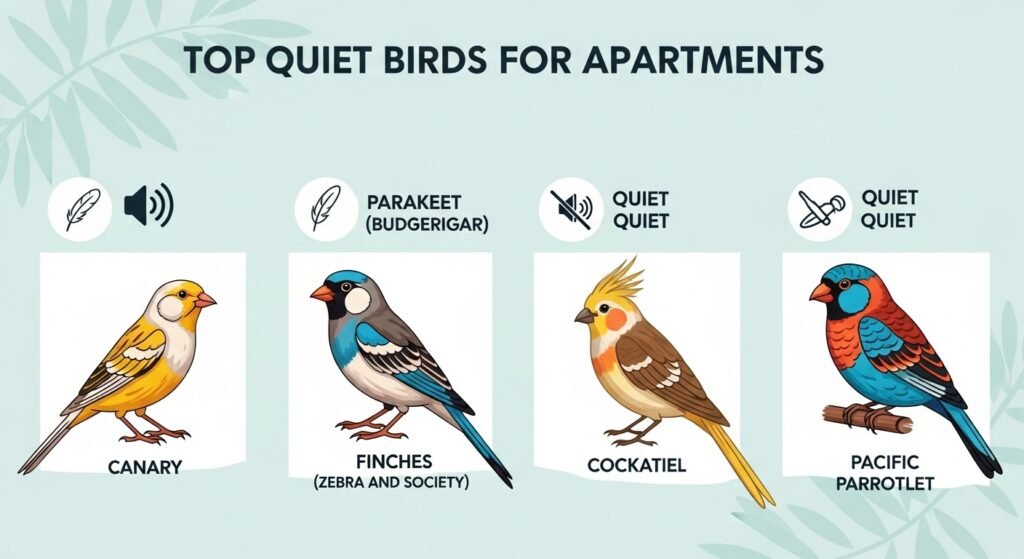
Top 5 Quiet Bird Species for Apartments
- Parrotlets → Curious, playful, but soft-voiced.
- Budgies (Parakeets) → Gentle chatter, rarely disturbing.
- Finches → Pleasant peeps, great for background sound.
- Canaries → Sing beautifully but not harshly.
- Pionus Parrots → Larger but calmer, quieter than Amazons.
Final Thoughts
Birds bring joy, color, and personality into homes—but they also bring noise. The key is understanding species differences and creating an environment that reduces boredom, encourages calmness, and respects your neighbors.
With the right bird, smart enrichment, and simple soundproofing, apartment living with feathered friends is not only possible it’s peaceful.
