


Freeze-Dried Cat Treats: Are They Healthy or Just Hype?
Walk through any U.S. pet store—or browse Amazon’s pet section—and you’ll notice a major trend: freeze-dried cat treats are everywhere. Brands spotlight phrases like “raw nutrition,” “single ingredient,” “high protein,” and “natural prey diet.” It all sounds fantastic… but is it really?
Are freeze-dried cat treats genuinely healthier for cats, or are companies capitalizing on a trend that “sounds” good?
In this guide, we break down the science, nutrition, safety factors, and the marketing behind freeze-dried treats so U.S. cat parents can make confident, informed choices.
What Exactly Are Freeze-Dried Cat Treats?
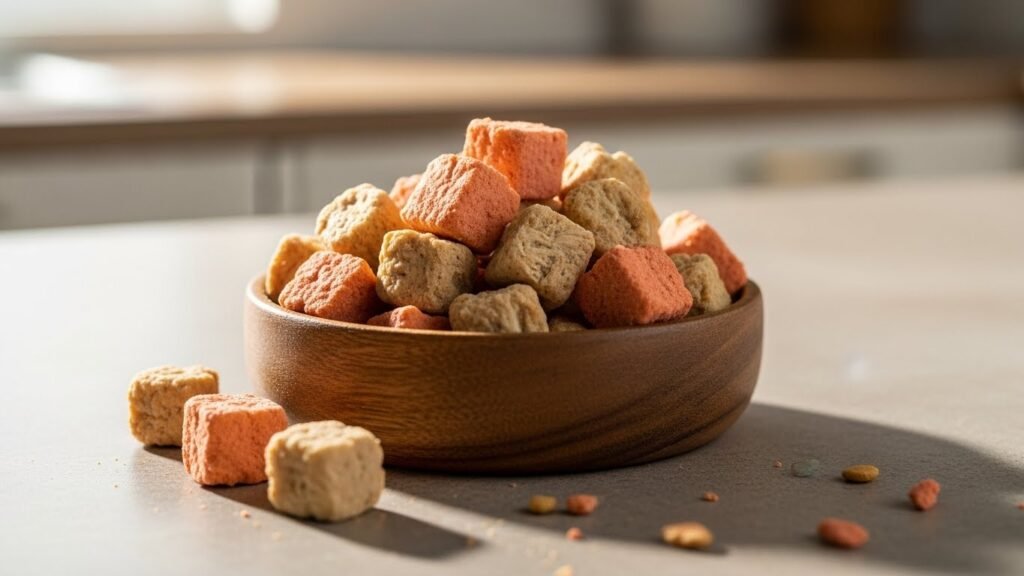
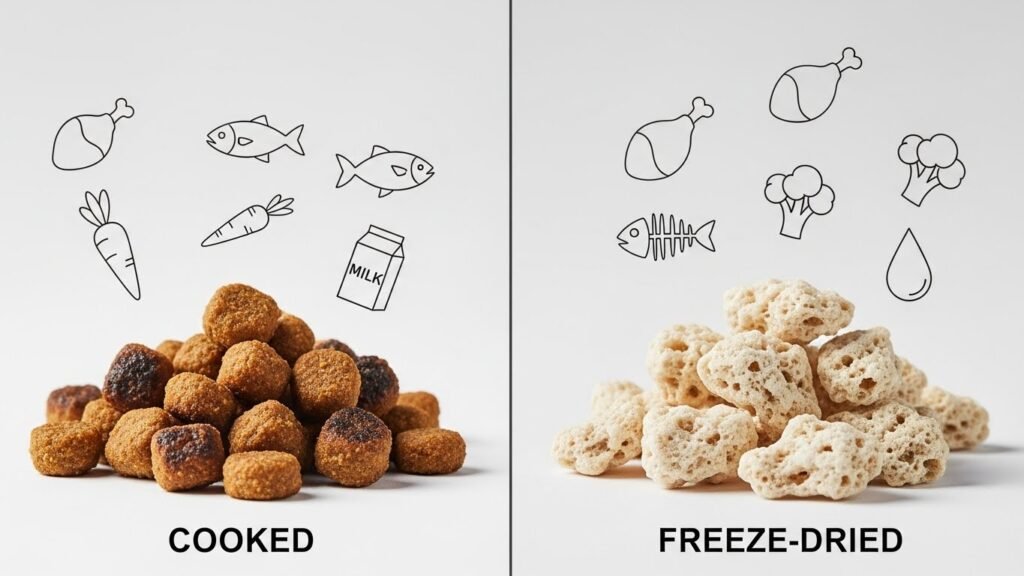
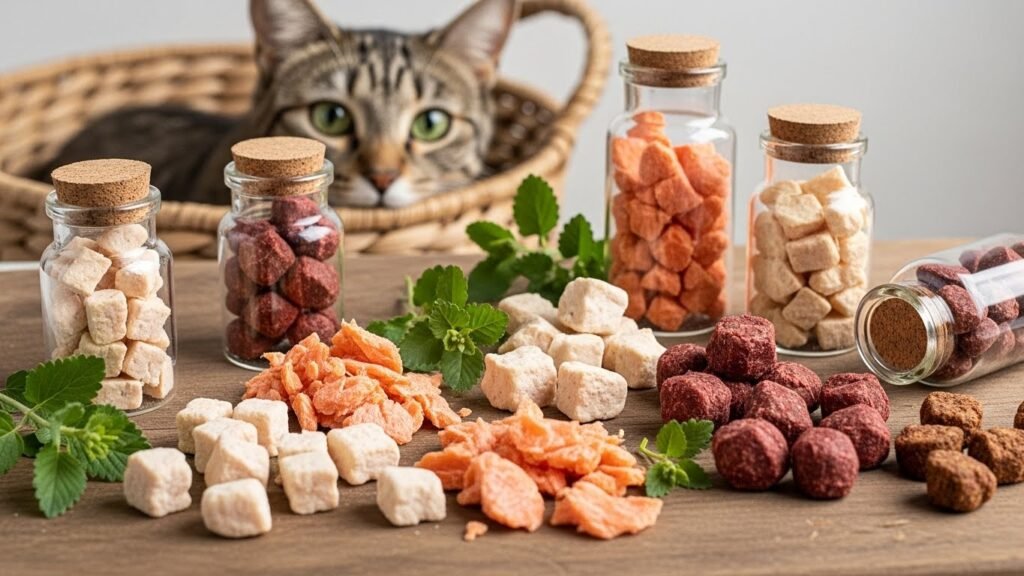
Freeze-dried treats are typically raw meats—chicken, salmon, turkey, liver, shrimp, rabbit—that have gone through a dehydration process using extremely cold temperatures and vacuum pressure. This removes moisture without cooking, keeping nutrients closer to their raw form.
Many brands boast:
- Single-ingredient recipes
• High protein from real meat
• No fillers
• Long shelf life
• Strong aroma cats love
The question is whether this processing method actually makes treats healthier—or simply trendy.
Claim 1: Freeze-Dried Treats Are Healthier Because They’re Raw
Truth: Sometimes—but not always.
Some U.S. pet owners assume anything labeled “raw” is automatically superior. Freeze-drying does preserve more nutrients compared to high-heat processing, but there’s nuance.
What’s potentially healthy:
- High protein content
Cats are obligate carnivores and thrive on animal-based protein. Freeze-dried treats are usually 90–100% meat. - Richer amino acids and nutrients
Taurine, B-vitamins, and natural enzymes are better preserved in low-heat processing. - No grains or fillers
Great for cats with sensitive stomachs, allergies, or picky appetites.
What’s often misunderstood:
Raw doesn’t always mean healthier.
Cats need balanced nutrition—not just protein chunks. Treats are supplemental and should never replace meals.
Freeze-dried doesn’t kill all bacteria.
It reduces moisture but doesn’t fully eliminate pathogens like Salmonella unless extra safety steps are included.
Not all freeze-dried treats are single ingredient.
Some brands add salt, preservatives, or “natural flavors.”
So yes—freeze-dried treats can be healthier, but the ingredient list matters far more than the buzzword.
Claim 2: Freeze-Dried Treats Are Safer Than Raw Meat
Truth: They are safer, but not risk-free.
The FDA states that freeze-drying alone doesn’t kill all harmful bacteria. Many U.S. brands now test batches for pathogens, but not all do.
Risks to consider:
- Bacteria from raw meats can survive the freeze-drying process
• Immunocompromised cats or humans may be at greater risk
• Improper storage can cause bacterial growth once treats rehydrate
However, compared to feeding raw meat directly, freeze-dried treats are significantly safer because moisture is removed, reducing microbial activity.
Safety tip:
Choose brands that list HACCP food safety practices, “test and freeze-dry,” or “pathogen screening.”
Claim 3: Cats Love Freeze-Dried Treats Because They Taste Better
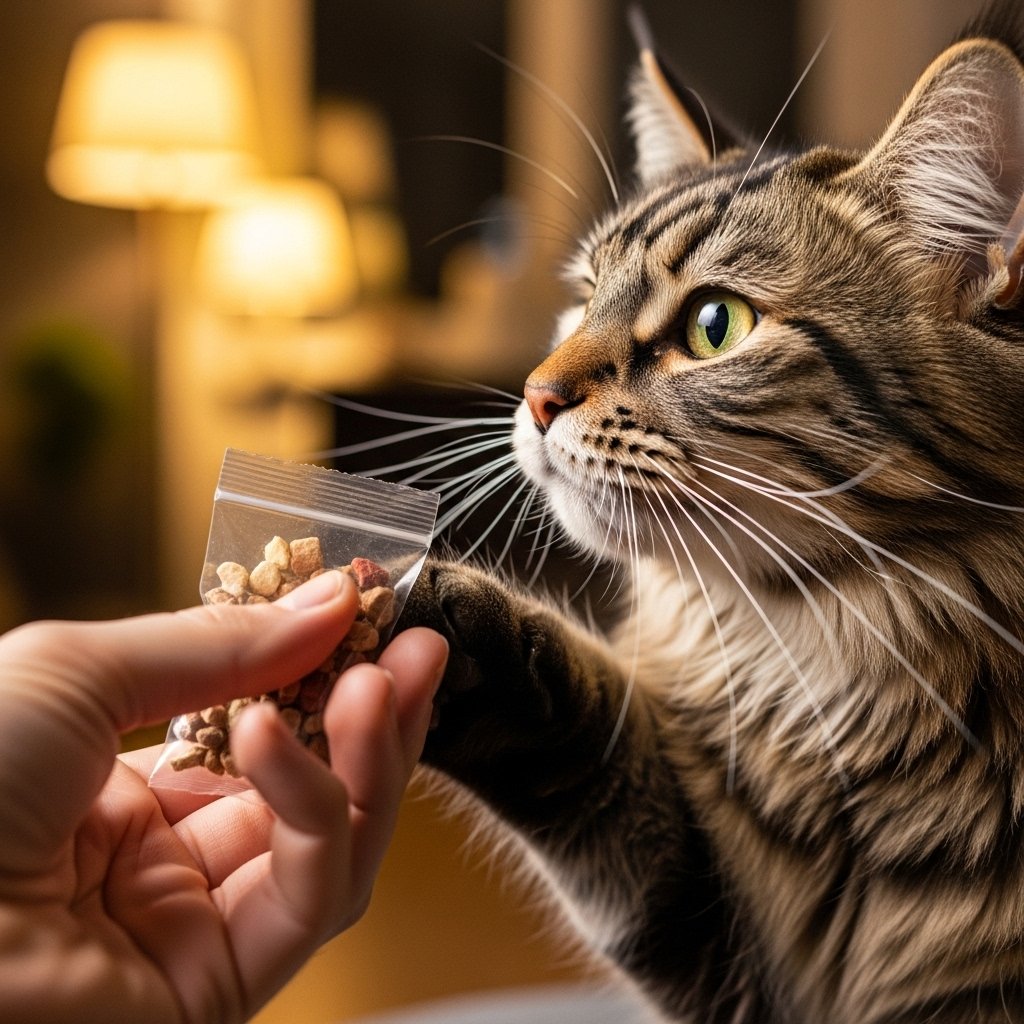
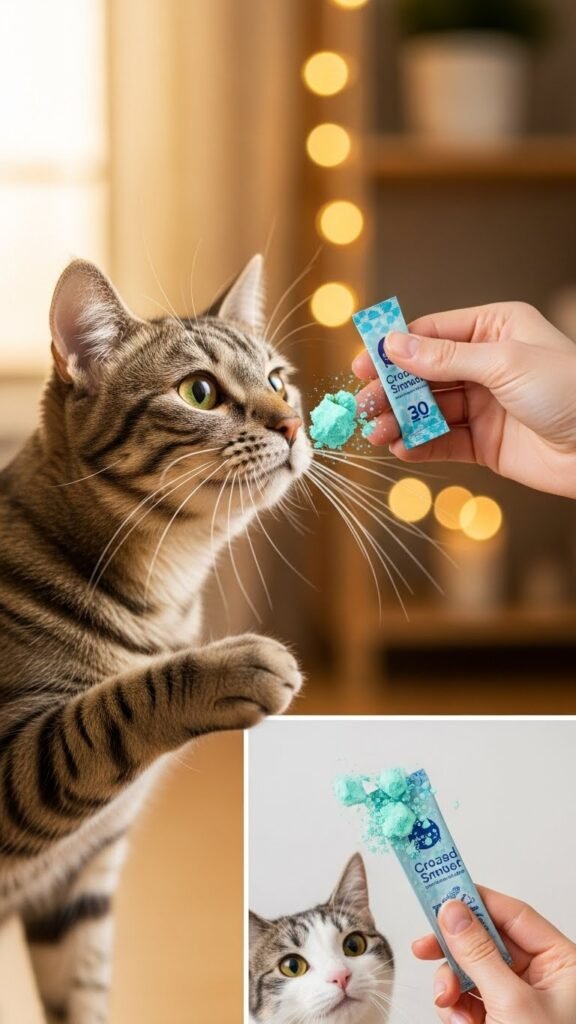
Freeze-drying intensifies aroma, which is a huge deal for cats because they rely more on smell than taste.
Many cat parents notice:
- More enthusiasm
• Better response during training
• Increased appetite for picky eaters
The lightweight texture also makes freeze-dried treats easy to crumble over regular food.
Pros of Freeze-Dried Cat Treats
Let’s break down why freeze-dried treats became a top-selling category in the U.S.
- High in Animal Protein
Perfect for carnivorous pets who need meat-based nutrients.
- Simple, Clean Ingredients
Many brands contain just one ingredient—great for sensitive stomachs.
- Easy to Store
No refrigeration needed; lasts months.
- Very Palatable
Cats typically go crazy for the rich scent.
- Versatile
Can be given whole, broken into training bites, or crumbled as food toppers.
- Diet-Friendly
Most freeze-dried meats are low-carb and suitable for overweight cats.
These are all real benefits—not hype.
Cons of Freeze-Dried Cat Treats
While freeze-dried treats have advantages, they’re not perfect.
- Price
Freeze-drying is costly, so treats tend to be more expensive.
- Not All Are Single Ingredient
Some add fillers or preservatives.
- Risk of Bacteria
Much lower than raw—but still possible.
- Potential Overfeeding
Cats love them, so it’s easy to give too many.
- Not a Balanced Diet
Treats shouldn’t exceed 10% of a cat’s daily calories.
Understanding the downsides helps owners avoid common mistakes.
Are Freeze-Dried Treats Healthy for All Cats?
Generally, yes—but with a few exceptions.
Best For:
- Picky eaters
• Cats with food sensitivities
• Overweight cats needing low-carb snacks
• Training sessions or bonding
• Cats who need extra protein
Use With Caution:
- Cats with chronic kidney disease (high protein may be a concern; ask a vet)
• Immunocompromised cats
• Cats with pancreatitis (fat content matters)
• Kittens under 12 weeks (immune system still developing)
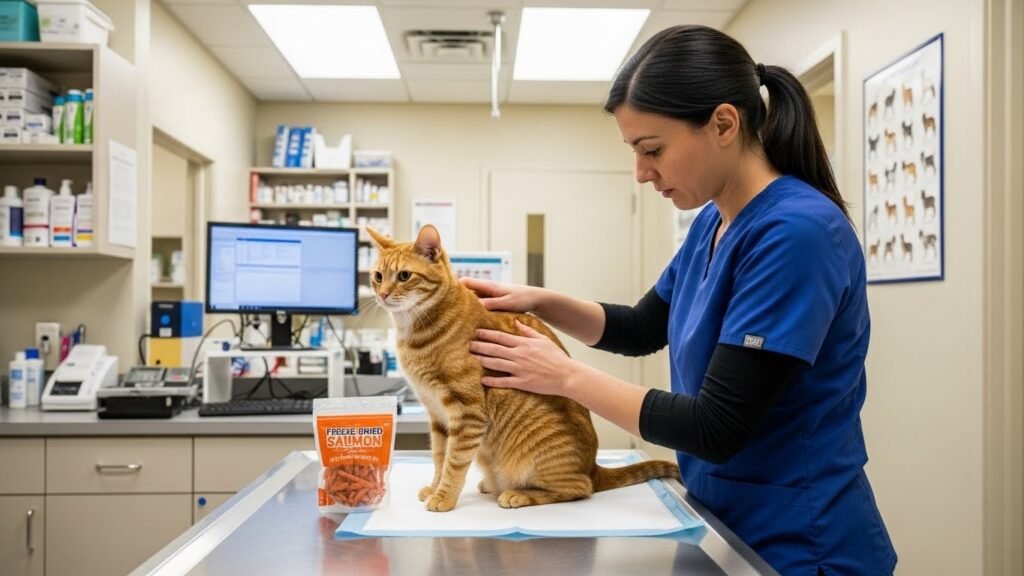
If unsure, bring the treat packaging to your vet for personalized advice.
How to Choose Safe, High-Quality Freeze-Dried Treats
Here’s what separates good products from risky ones:
- Look for Single-Ingredient Labels
Examples:
• “100% Chicken Breast”
• “100% Salmon”
• “100% Turkey Liver”
Avoid treats with:
• Flavorings
• Added salts
• Glycerin
• Corn, wheat, soy
• Vague ingredients like “meat by-products”
- Check for U.S.-Based Processing
Brands that manufacture in the U.S. must follow stricter safety standards.
- Look for Pathogen Testing
This dramatically reduces risk.
- Avoid Treats Containing Bones
Unless ground safely. Sharp fragments can cause choking.
- Check Fat Content
High-fat treats may cause stomach upset in some cats.
- Choose Ethically Sourced Ingredients
Grass-fed, cage-free, or wild-caught proteins tend to offer cleaner nutrition.
How Often Should You Give Freeze-Dried Treats?
The golden rule in U.S. veterinary nutrition:
Treats = 10% or less of daily calories.
For the average house cat, that’s usually 5–8 freeze-dried pieces per day.
Giving more occasionally is fine—but daily overfeeding can contribute to weight gain.
The Verdict: Healthy or Just Hype?
The short answer:
Freeze-dried cat treats are one of the healthiest treat categories, if you choose high-quality, single-ingredient products from reputable brands.
They’re healthy because:
- High in protein
• Low in carbs
• Packed with natural nutrients
• Clean ingredients
• Cats love them
• Great for digestion
They’re “hype” when:
- The brand adds fillers or preservatives
• Marketing hides poor-quality sourcing
• Owners assume treats equal a balanced diet
• Safety testing is skipped
So yes—freeze-dried treats can be a genuinely great option, not just trend-driven marketing, as long as cat parents choose wisely.
Final Thoughts
Freeze-dried cat treats blend convenience, great flavor, and real nutrition into one tiny cube—and many cats absolutely adore them. The trick is picking treats that put quality first and fit into your cat’s lifestyle without overdoing it. When you keep it simple, read labels, and serve them the right way, freeze-dried treats can be a fun, healthy way to bond with your kitty. Good treats, happy cat, no hype needed.
