


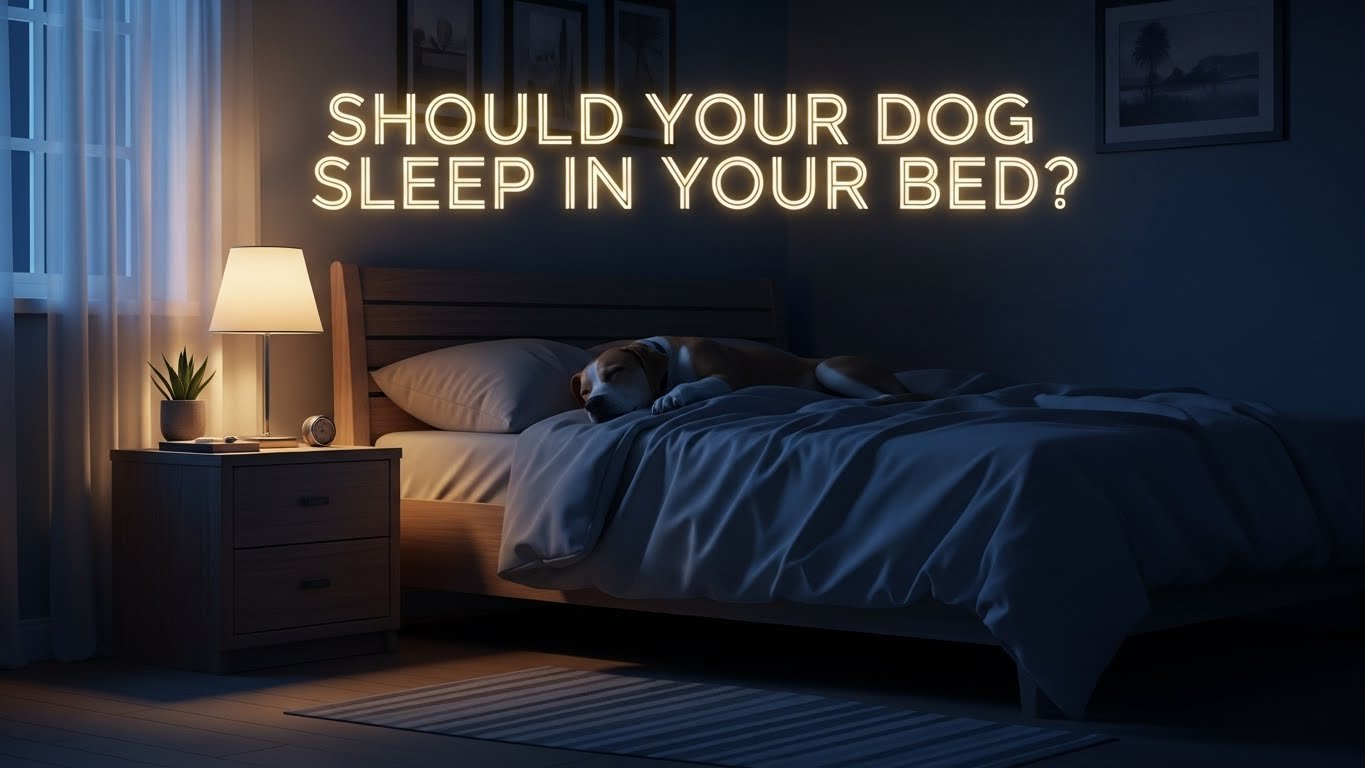
Should You Let Your Dog Sleep in Your Bed? Pros, Cons & Science
Ask almost any dog owner in the United States, and they’ll admit it: their dog sleeps in their bed—maybe a little, maybe a lot, maybe every night like a tiny, furry alarm clock who kicks and snores. Co-sleeping with dogs is incredibly common, but it brings up a question that pet parents love to debate.
Is letting your dog sleep in your bed a sweet bonding moment… or a bad habit?
The truth is more nuanced than you might think. Research shows surprising benefits, but veterinarians also point out a few risks worth considering. Whether you want your dog under the blankets or in their own cozy bed, understanding the science helps you make the best choice.
Why Do Dogs Want to Sleep With Us?
Dogs are social sleepers. In the wild, canines sleep close to their pack for warmth, protection, and companionship. That instinct didn’t disappear—even after thousands of years of domestication.
Your dog sleeps with you because they feel:
- Safe
• Connected
• Bonded
• Warm
• Emotionally secure
To your dog, bedtime is pack time.

The Pros of Letting Your Dog Sleep in Your Bed
Co-sleeping with your dog may actually have benefits beyond cuddles.
- Strengthens the Human–Dog Bond
Sleeping near each other releases oxytocin—the “love hormone.” This deepens the emotional connection, reduces separation anxiety, and builds trust.
Many U.S. pet owners report feeling closer to their dogs when they share sleeping space.
- Helps You Feel Safer at Night
Dogs are natural alert systems. Even small breeds often sense sounds or movement before humans do.
Sharing a bed or bedroom makes many people feel:
- More protected
• Less anxious
• More aware of their surroundings
Especially beneficial for people living alone.
- Reduces Loneliness and Anxiety
Scientific studies have shown that sleeping near pets can:
- Reduce cortisol (stress hormone)
• Improve feelings of comfort
• Ease nighttime anxiety
Dogs provide emotional stability—even while snoring.
- Comfort and Warmth
Dogs radiate heat. In colder parts of the United States, having a dog tucked against your legs can feel like a natural heater.
This comfort can help some owners fall asleep faster.
- Helps Dogs With Anxiety
Many dogs sleep more soundly when they feel close to their humans. For pups with moderate nighttime anxiety, co-sleeping can significantly improve rest.

The Cons of Letting Your Dog Sleep in Your Bed
As comforting as co-sleeping can be, it doesn’t work for every household—or every dog.
- Sleep Disturbances Are Common
Dogs move. They dream. They snore. They stretch. They hog the blankets. They reposition themselves 16 times in one hour.
Common disruptions include:
- Kicking
• Twitching
• Snoring
• Heavy breathing
• Bed-hogging
• Jumping on/off the bed
Light sleepers may find themselves more tired than comforted.
- Allergies Can Get Worse
If you have dog allergies—even mild ones—sleeping together may increase symptoms like:
- Congestion
• Itchy eyes
• Sneezing
• Skin irritation
Dog dander concentrates in bed linens, making symptoms stronger overnight.
- Hygiene Considerations
Dogs walk on sidewalks, grass, dirt, and sometimes worse. Even well-groomed pets track small particles into the bed.
While serious disease transmission is rare, it’s still important to consider:
- Dirt
• Outdoor bacteria
• Pollen
• Fleas (if not on preventatives)
Clean paws and regular grooming reduce risks.
- Not Ideal for Dogs With Behavioral Issues
If your dog shows:
- Resource guarding
• Bed aggression
• Fear-based behaviors
Then sleeping in your bed may reinforce territorial habits. Dogs who guard space or growl when moved should sleep independently while working with a trainer.
- Can Make Separation Anxiety Worse
For dogs with extreme attachment issues, constant nighttime closeness may prevent them from learning to self-soothe.

What Does Science Say About Dogs Sleeping in Beds?
Surprisingly, researchers have studied this more than you might expect.
The Sleep Study Findings:
Mayo Clinic research shows that:
- Having a dog in the bedroom improves sleep for many people
• Having a dog in the bed can slightly decrease sleep efficiency
Translation:
Dogs near you = comforting
Dogs on your pillow = maybe less restful
That said, many pet parents value comfort more than perfect sleep scores.
Mental Health Benefits:
Studies also show dogs in sleeping spaces improve:
- Emotional resilience
• Feelings of safety
• General well-being
For many Americans, the psychological benefits outweigh the drawbacks.
When You Shouldn’t Let Your Dog Sleep in Bed
There are cases where co-sleeping isn’t recommended:
- Severe allergies or asthma
• New puppies not fully potty trained
• Dogs with flea/tick infestations
• Dogs showing dominance or guarding behavior
• Aggression around being touched while sleeping
• Light sleepers with insomnia
• Immune-compromised individuals
You can still bond—just provide a comfy dog bed nearby.
Tips for Safe, Comfortable Co-Sleeping
If you decide to share your bed, these tips make it safer and more restful:
- Keep Your Dog on Flea/Tick Preventatives
Especially in states with heavy tick activity (northeast, midwest).
- Wash Bedding Weekly
Reduces dander and bacteria.
- Wipe Paws Before Bed
Simple and effective.
- Set Boundaries
Teach your dog where to sleep (foot of the bed, side, etc.).
- Provide a Secondary Sleep Spot
A cozy dog bed lets them choose—and gives you space on restless nights.

Final Thoughts
Sharing your bed with your dog is a deeply personal choice—one shaped by your lifestyle, sleep habits, health, and relationship with your pet. For many U.S. dog owners, co-sleeping strengthens emotional bonds and offers comfort. For others, it disrupts sleep or isn’t ideal for health or behavioral reasons.
There’s no universal “right” answer. What matters most is that both you and your dog feel safe, healthy, and well-rested. Whether your pup curls beside you or snoozes in their own cozy bed, the goal is the same: creating a nighttime routine that supports the wellbeing of the whole household.
Ready to Connect?
Enjoyed learning about big dog breeds? Join the Pets Fun Zone community — a growing space for U.S. pet lovers to:
- Share photos, stories, and experiences
- Ask questions and get advice
- Discover recs for food, training, vet care, and more
Join us today at Pets Fun Zone and be part of a caring community of passionate dog lovers!
Let’s welcome all the gentle giants together.
